

Understanding Uric Acid: What It Means for Joint Pain and Gout
 If you’re visiting our store at jennystablets.co.za because you’re concerned about joint pain, gout or elevated uric acid levels — you’re in the right place. In this article we’ll explain in plain language:
-
What uric acid is, and how it can affect your joints
-
How elevated uric acid leads to pain and flare-ups (like Gout)
-
What lifestyle, diet and general steps you can take to manage it
-
When to talk to a health professional
What is Uric Acid?
Uric acid is a natural waste product produced by the body when it breaks down purines (found in certain foods and in cell metabolism).
Normally the kidneys filter uric acid from the blood and it leaves the body in urine.
However, when uric acid builds up either because the body produces too much, or the kidneys can’t remove it efficiently, a condition called hyperuricemia can result.
Having high uric acid does not always mean you’ll have symptoms — but it can lead to problems.
How Elevated Uric Acid Impacts Joints & Causes Gout


Here’s how the process works:
-
Accumulation of uric acid in the blood – With hyperuricemia, uric acid levels rise above the normal range.
-
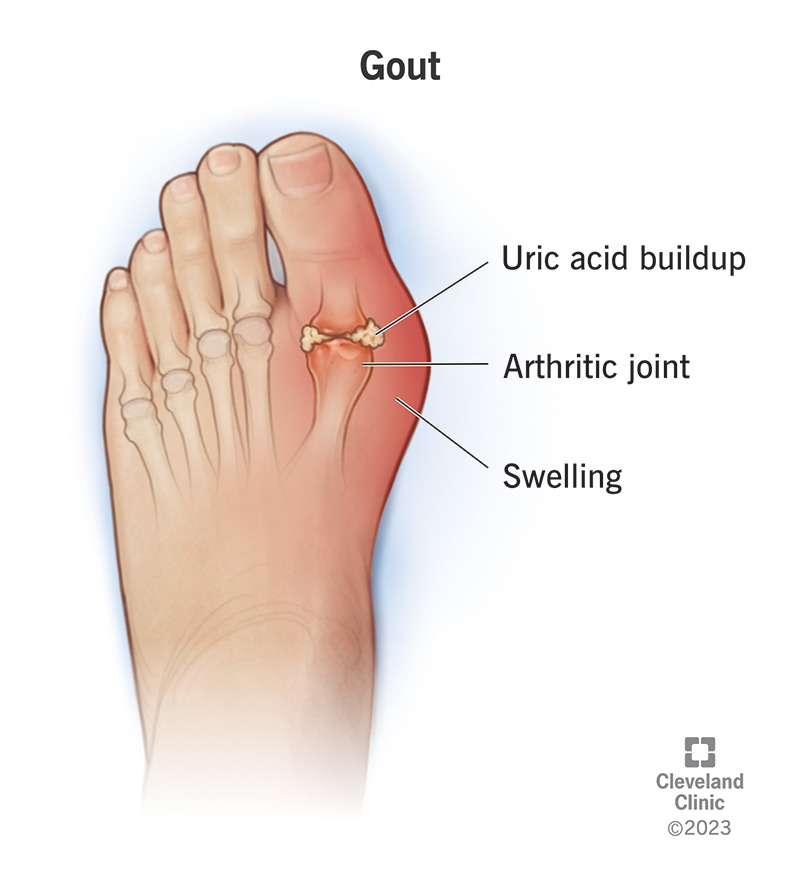
Crystal formation – When uric acid (more precisely, monosodium urate) becomes too concentrated, crystals can form and deposit in joints, tendons and surrounding tissues.
-
Joint inflammation and pain – These crystals trigger the immune system, leading to inflammation, redness, swelling and acute joint pain. This is what we recognise as a gout attack.
-
Chronic damage (if untreated) – Over time, repeated attacks or persistent high uric acid can lead to joint damage, formation of tophi (hard deposits), and reduced mobility.
Key Facts & Signs
-
Gout often affects the base of the big toe, but it may also involve ankles, knees, wrists, elbows.
-
Attacks can come on suddenly, often at night, with intense pain.
-
After the worst pain passes, there may be lingering discomfort, and future attacks may affect more joints.
-
If you have untreated high uric acid or gout, you’re at higher risk for kidney stones and kidney issues.
Why Do Some People Develop Joint Pain With High Uric Acid While Others Don’t?
Good question. While elevated uric acid is a prerequisite for gout, not everyone with hyperuricemia develops overt gout or joint damage. Some influencing factors:
-
Kidney function / uric acid excretion: Most gout cases (~90 %) are due to the body not removing uric acid fast enough, rather than making too much.
-
Genetics: Some people are predisposed based on how their kidneys handle uric acid or how much they produce.
-
Diet and lifestyle: High intake of purine-rich foods, alcohol, fructose, being overweight all increase risk.
-
Medical conditions: Hypertension, kidney disease, diabetes, obesity all raise risk.
Managing Uric Acid & Protecting Your Joints
Here are practical steps that support joint health and help manage uric acid levels.
Diet & Fluids
-
Drink plenty of water: Good hydration helps the kidneys flush out uric acid.
-
Reduce purine-rich foods: These include organ meats, certain seafood (herring, mussels, tuna), red meat.
-
Limit alcohol and sugary drinks: Alcohol reduces uric acid excretion; high fructose/sugary drinks increase purine breakdown.
-
Emphasise low-purine or moderate foods: Lean meats, legumes, low-fat dairy, plenty of vegetables.
Lifestyle
-
Maintain a healthy weight: Less strain on joints + lower uric acid production.
-
Regular moderate exercise: Helps kidney function, circulation, weight control — all beneficial.
-
Avoid dehydration: Being dehydrated can make crystal formation more likely.
Joint Support
For stores like ours, you might look at joint-friendly supplements, lifestyle products, or support items (always check with your healthcare provider). Even simple things like comfortable footwear, warm baths, and low-impact exercise (swimming, walking) help relieve joint stress.
When to See a Doctor
If you experience:
-
Sudden, intense joint pain (especially big toe, ankle, knee)
-
Redness, swelling, heat in a joint
-
Recurrent joint pain or persistent discomfort
-
Kidney issues/persistent high uric acid readings
Then you should consult a healthcare provider — early treatment can prevent long-term joint damage.
Why This Matters for Our Store and for You
At Jenny’s Tablets (jennystablets.co.za), we care about joint health and overall wellness. If you’re dealing with elevated uric acid or joint pain:
-
Consider lifestyle + diet changes alongside any product you may buy.
-
Products (supplements, joint support, wellness aids) are not replacement for medical treatment or professional advice.
-
Use this blog as an information resource — a guide to understand what’s going on in your body and how you can help protect your joints.
-
Empowerment is key: understanding helps you take action and make informed decisions.
Final Thoughts
High uric acid is one of those “silent” conditions that can sneak up on you — and when it hits your joints, it does so painfully. But the good news is: by understanding it, making strategic changes, and being proactive, you can reduce your risk of joint damage and flare-ups.
Take care of your diet, your fluids, your lifestyle — support your joints. And if you feel something’s wrong, don’t wait. Early intervention is better than waiting until things become chronic.